Objectives |
Resources
|
|
How the administrations of Warren G. Harding, Calvin Coolidge and Herbert Hoover reverted to conservative government practices based on lower taxes and deregulation of industries.
· How, why and to what extent a consumer based economy flourished in the United States in the 1920s and 1950s. • How women’s rights activists and organizations used various approaches to overcome internal division within the movement and secure universal suffrage for women with the Nineteenth Amendment. • How “modernism” developed and challenged conventional or traditional practices of American society during the 1920s (e.g., jazz age, flappers, the Harlem Renaissance, Negro nationalism, Charles Darwin, Albert Einstein). • How and in what ways defenders of tradition reacted to modern thought and rapid change in American society of the 1920s (e.g., nativism and the Sacco and Vanzetti case, rise in fundamentalism and the Scopes Monkey Trial, Ku Klux Klan, Prohibition, eugenics). • How the fight for universal women’s suffrage culminated with the adoption of the 19th Amendment and how the vote of women impacted the 20th Century American government and economics. • How the Harlem Renaissance raised awareness of issues affecting the lives of African Americans in the 1920s through various forms of expression such as literature, art, music and drama. • How, why and to what extent Americans feared the spread of communism and how that fear impacted American culture in “Red Scares” after World War I and World War II. • How and why United States entry into World War I and World War II created a “Great Migration” of African Americans to northern cities and how that migration culturally impacted the nation • How women’s rights activists at the turn of the century campaigned to secure universal women’s suffrage with passage of the 19th Amendment (e.g., Carrie Chapman Catt, Margaret Sanger, Alice Paul and Lucy Burns). • How “the lost generation” of American writers expressed the cultural struggle between modernism and tradition during the 1920s (e.g., Ernest Hemingway, F. Scott Fitzgerald, Thomas Wolfe and William Faulkner). • How the Harlem Renaissance raised American awareness of issues affecting the lives of African Americans in the 1920s through various forms of expression such as literature, art, music and drama (e.g., Alain Locke, Langston Hughes, Zora Neale Hurston and James Weldon Johnson). lynching Niagara Movement NAACP WEB DuBois Booker T Washington Palmer Raids Dawes Plan Warren G. Harding “Return to Normalcy” Silent films and “talkies” Prohibition Speakeasies Bootleggers Babe Ruth Charles Lindbergh Automobiles/Model T Marketing/advertising Installment Plan/Easy Credit Radio Ku Klux Klan Harlem Renaissance Langston Hughes Zora Neale Hurston Marcus Garvey “Back to Africa”Movement United Negro Improvement Association (UNIA) National Association for the Advancement of Colored People(NAACP) W.E.B. Du Bois "Talented Tenth" Booker T. Washington Atlanta Compromise Sacco and Vanzetti Scopes Trial fundamentalism Aimee Semple McPherson Billy Sunday Margaret Sanger Flappers Mexican Laborers in the US in the 1920s (SHEG)
Start around 36:30. Continue to 47:00
• What immigration laws were passed in the 1920s? • What effect did the Immigration Act of 1924 have on Mexican immigration? • What was life like for Mexican immigrants in the 1920s? Documents for Activity Graphic Organizer for Activity After reviewing documents • What was life like for Mexicans and Mexican-Americans during the 1920s? • Do you trust the information in these documents? Why or why not? • What additional information would students want to have in order to paint a more reliable picture of Mexican American life in the 1920s? • The Great Depression began in 1929. What do you predict happened to Mexicans and Mexican Americans during this time? History of the Mexican Railroad Boxcar Communities in Chicago Goodlatte Unveils Bill to Provide Workable Guestworker Program for American Farmers 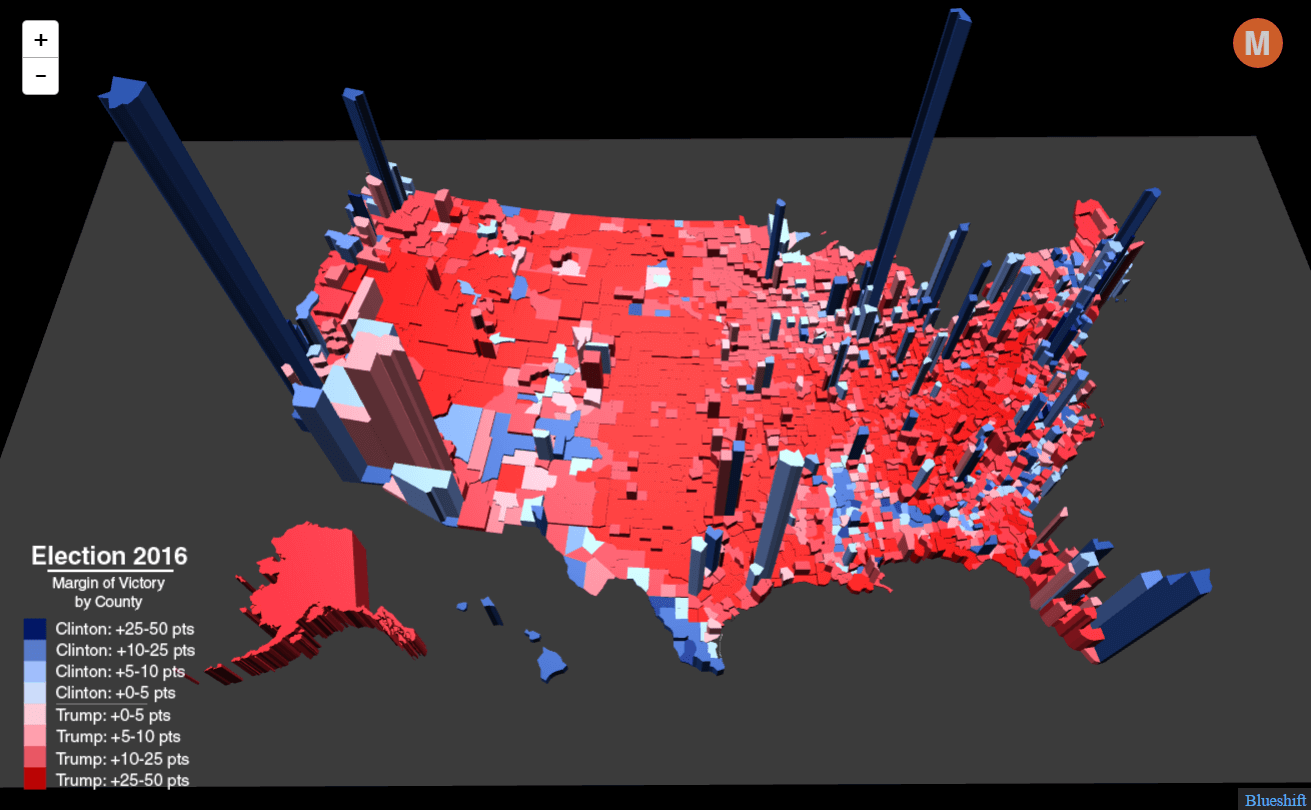
|
20s puzzle key
Great Migration & the Jazz Age Flapper Webquest Guided Reading #1 The rural vs urban divide of the 1920s graph 20s WS set 1 20s WS Set 2 (economics) 20s DBQ 10,000 Black Men Named George Foundations of Holocaust: 1924, Congress decides No More Jews Monkey Trial Viewing Guide 1
Monkey Trial Viewing Guide 2 H.L. Mencken's coverage of the trial
(Scopes/Bryan segment starts around 30:00) Scopes Lesson Plan Social Tensions in the 1920s Video Segments Bryan's Closing Argument ..The "Last Speech" which wasn't delivered in court and wasn't published until after his death |